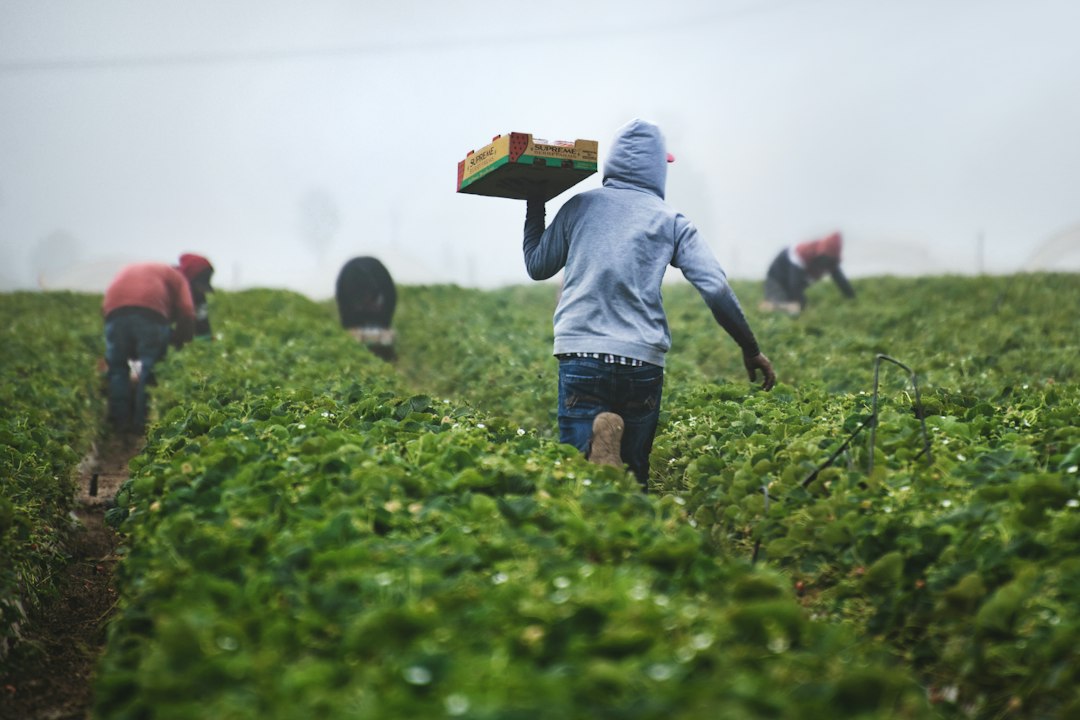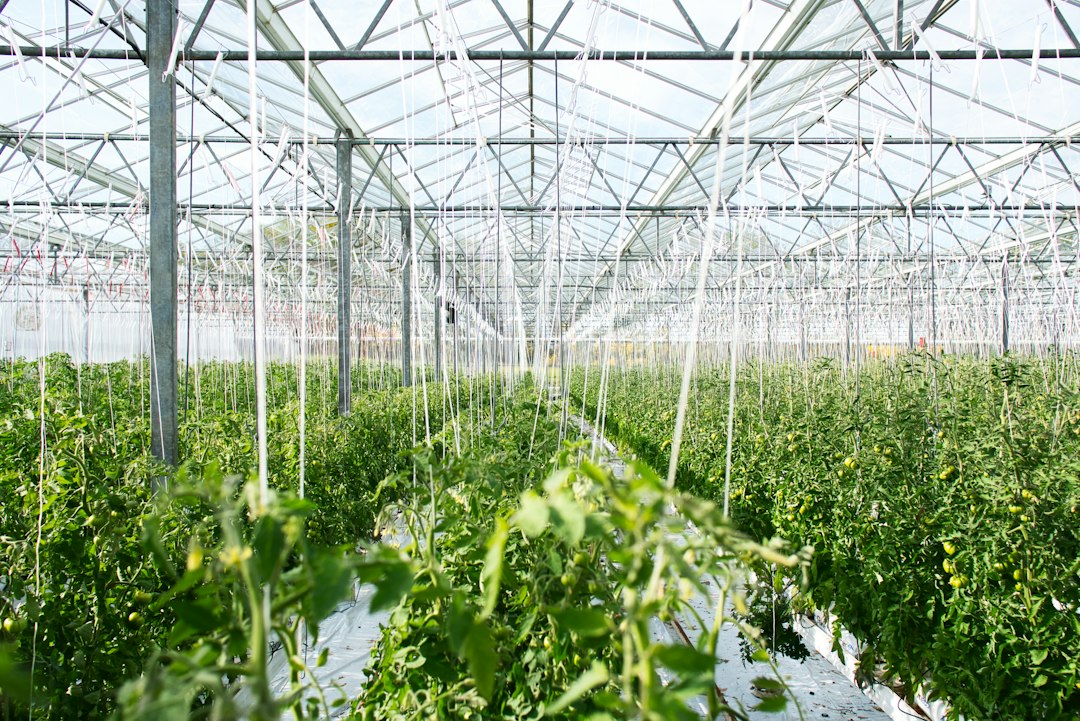
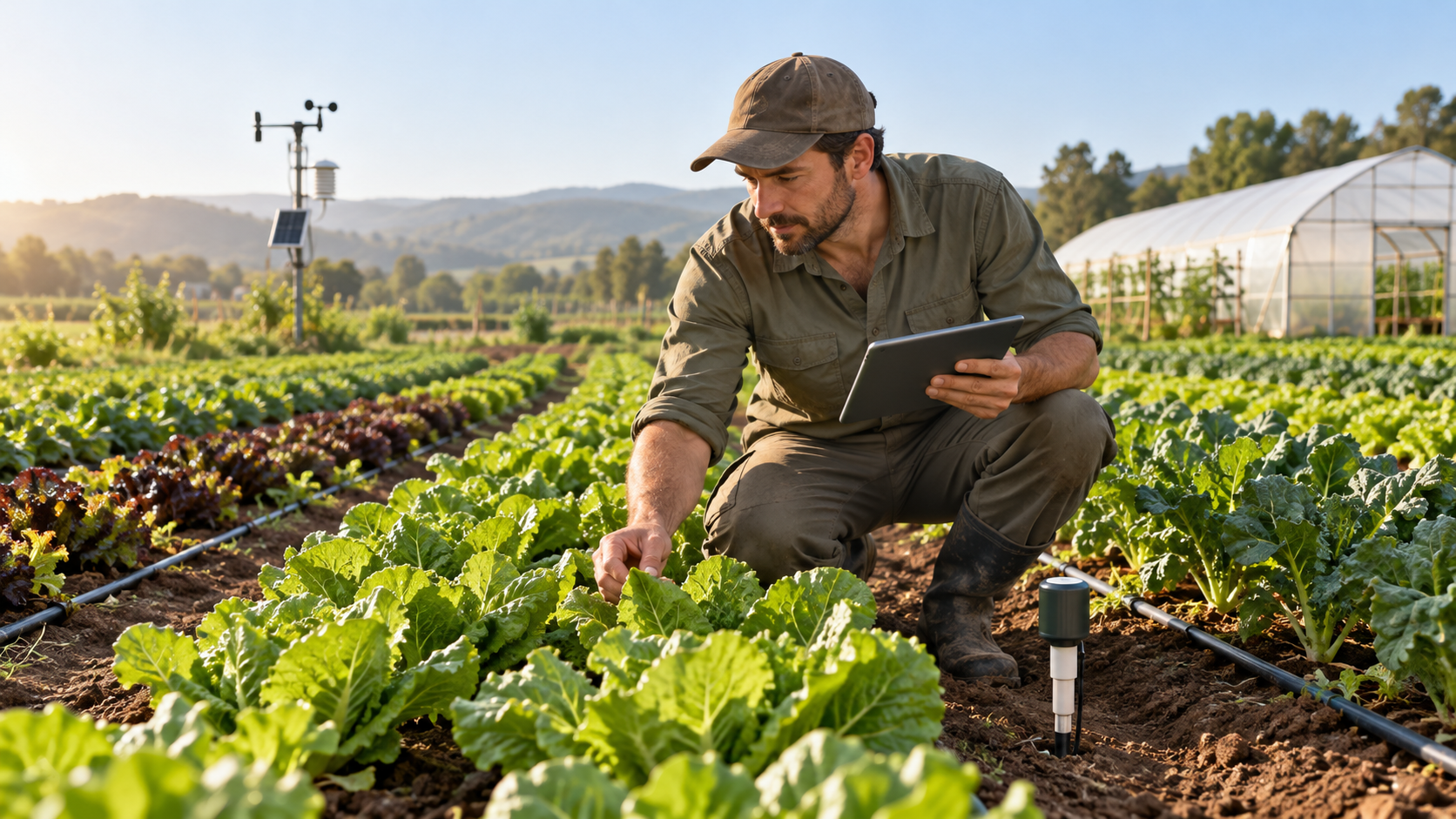
A farmer checking the weather before irrigating, a greenhouse grower watching temperature readings and a gardener asking an app about yellow leaves are all using agritech. The scale is different, but the aim is much the same: make the next growing decision with better information.
Agritech means technology used in agriculture. It includes equipment, sensors and digital tools that help people plan work, monitor crops and manage resources. Some systems are complex. Others fit in your pocket.
Use water and other inputs more carefully
Soil-moisture sensors, weather information and precision equipment can help growers match water and other inputs to the needs of a crop. Targeting the places that need attention can reduce unnecessary use and waste. The USDA’s National Institute of Food and Agriculture identifies more efficient use of water, fertiliser and pesticides among the benefits of agricultural technology.
The practical question is simple: what information would improve your next decision? For an irrigation problem, that might mean comparing moisture readings with the condition of the plants and your watering records.
Notice changes and investigate sooner
Monitoring tools can make changes in the growing environment easier to see. Temperature readings, crop images and other observations help direct attention to areas that need checking. FAO’s Smart Farming approach includes digital tools that support early identification of environmental stress and more efficient use of water and energy.
An alert is a starting point for an inspection. Visit the affected area, look for a pattern and collect enough detail to understand what may be happening before choosing a response.
Make daily work easier to organise
One useful way to introduce agritech is to improve a routine that already takes up your time. Keep planting dates, observations and completed tasks together in a digital record. Add the location and date to photographs so they remain useful later.
For example, imagine finding uneven growth in one greenhouse row. A short record of when it started and what recently changed gives you a clearer starting point for a conversation with your team or adviser.
Support productivity while reducing avoidable waste
Agritech can help growers use resources more precisely and manage production more efficiently. NIFA links agricultural technology with potential gains in crop productivity and reduced environmental impacts. The value comes from using the right information and acting on it appropriately.
Results will depend on the crop, growing conditions, equipment and how well a tool is used. A new device or app alone is not a guarantee of a larger harvest.
Useful at different growing scales
A small garden may need help with planning and understanding crop-care tasks. A greenhouse may benefit from closer attention to its growing environment. A larger farm may need a clearer view of differences across fields.
FAO’s approach specifically includes affordable technologies and practical support for small-scale growers. The sensible starting point is a real need in your own growing space. Ask what you want to improve, then choose a tool that fits the job and is straightforward to use.
Where SensoFarm fits in
SensoFarm is an example of agritech focused on everyday growing guidance. Its AI assistant and suggested crop-care tasks help users work through questions using details such as their location, crop and soil conditions. It is available on Android and the web.
You might start with a supported crop, review its care guidance and ask a specific question when something changes. Describe what you see, when it began and what you have already checked. Compare the suggestions with your plants and measurements, and involve a qualified adviser when the decision needs specialist input.
For practical examples, read how SensoFarm can help hobby farmers and small gardens, greenhouse growers and professional farmers.
Start with one useful improvement
Choose one problem to work on: an unclear care routine, missing crop records or a question that keeps coming back. Try a suitable tool on a manageable project and keep a short note of what changed. Did it help you ask a better question, notice something useful or organise the work more clearly?
That is a practical way to bring agritech into your farm or garden. Start with something useful, learn from the result and build from there.
Open the SensoFarm web app or get SensoFarm for Android to begin with your next crop question.
#AgriTech #Agriculture #SmartFarming #DigitalAgriculture #PrecisionAgriculture #SustainableAgriculture #FarmTechnology #SensoFarm