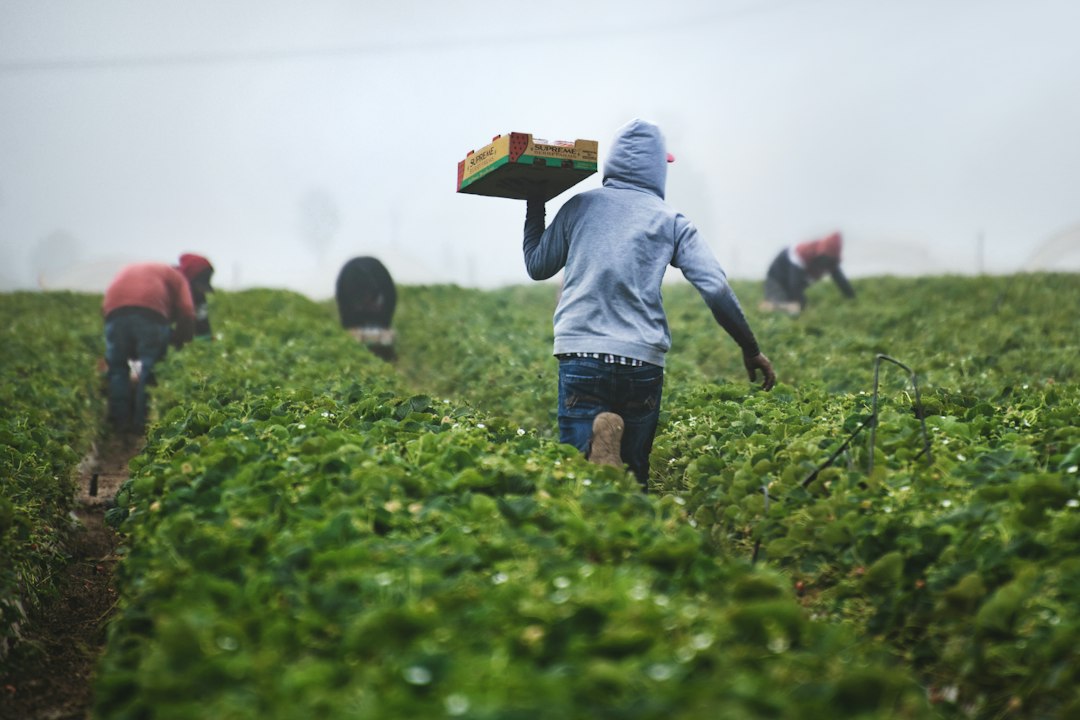
A failed harvest is more than a problem in a field. It can mean less income for a family, higher prices at a local market and less food reaching the people who need it. When drought, crop disease or supply disruptions affect many growers at once, those pressures can spread much further.
At SensoFarm, we focus on making crop guidance useful in everyday growing decisions. Agritech—the use of technology to improve agriculture—has an important role in making food supplies more reliable. From soil-moisture measurements to crop guidance on a phone, useful tools can help growers make timely decisions, protect harvests and use limited resources more carefully.
Food security is about more than growing more
According to the 2026 State of Food Security and Nutrition in the World report, an estimated 645 million people faced hunger in 2025. Healthy diets remained unaffordable for about 2.7 billion people worldwide.
These figures show why the challenge goes beyond production. The World Food Programme identifies conflict, climate shocks, economic pressures and displacement as major drivers of food crises. Food may exist but still be too expensive, too far away or impossible to reach safely.
Agritech can strengthen the farming and supply systems that communities depend on. Its contribution works alongside investment in roads, markets, farmer support, social protection and peace. Technology is one part of a wider response to hunger.
Use scarce water and costly inputs more carefully
Water shortages leave growers with difficult choices about what to plant and how much they can irrigate. FAO warns that changing rainfall and more severe droughts will add to water scarcity and food-security risks.
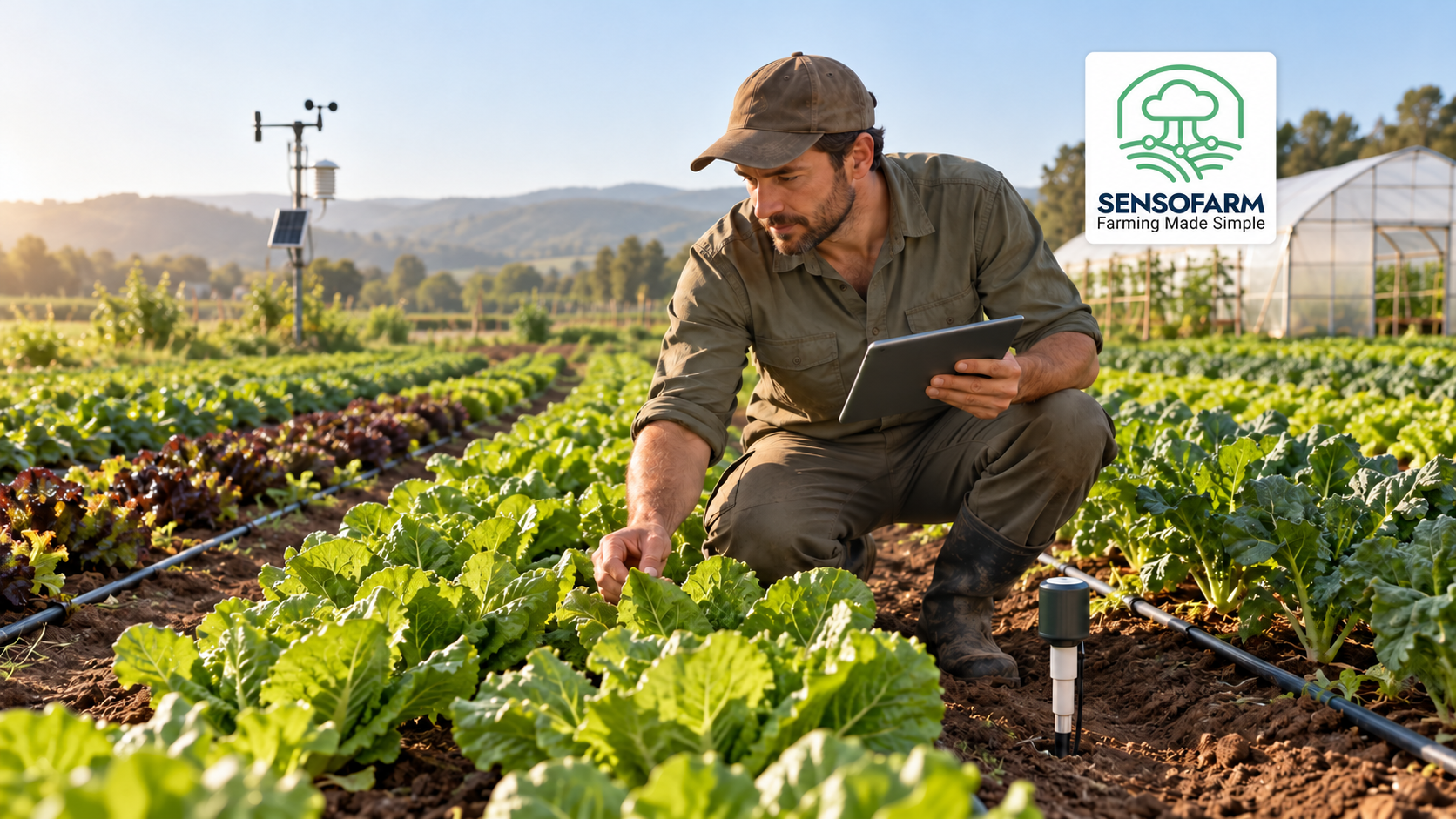
Soil-moisture readings, weather information and well-managed irrigation can help growers judge when and where water is needed. A useful measurement can turn a routine watering decision into a more informed one. The right approach depends on the crop, soil and local water supply.
The same principle applies to other inputs. Soil testing and targeted applications can help avoid unnecessary fertilizer use. USDA’s National Institute of Food and Agriculture describes how precision tools can target water, fertilizer and crop protection more closely, with potential benefits for productivity, costs and the environment.
That matters when a farmer has little room for wasted spending. Savings are most useful when the value of a tool exceeds its purchase, maintenance and training costs.
Notice problems before more of the harvest is lost
Growers make decisions under uncertainty every day. A patch of wilting plants could reflect a watering problem, damaged roots or another source of stress. Regular observations, photos, weather records and suitable monitoring tools can help reveal changes worth investigating.
FAO’s Smart Farming approach includes using digital tools to identify environmental stress early and support crop decisions. It also combines technology with practical measures such as ventilation, protected cultivation and pest exclusion.
For example, a greenhouse grower who notices rising temperatures can inspect ventilation before plants experience prolonged heat stress. Technology is useful when it leads to a timely, appropriate action. Uncertain symptoms still need careful checking, with local agricultural advice where necessary.
Keep more food usable after harvest
Food security also depends on what happens after a crop leaves the field. Producing more has limited value if food spoils before it reaches a buyer.
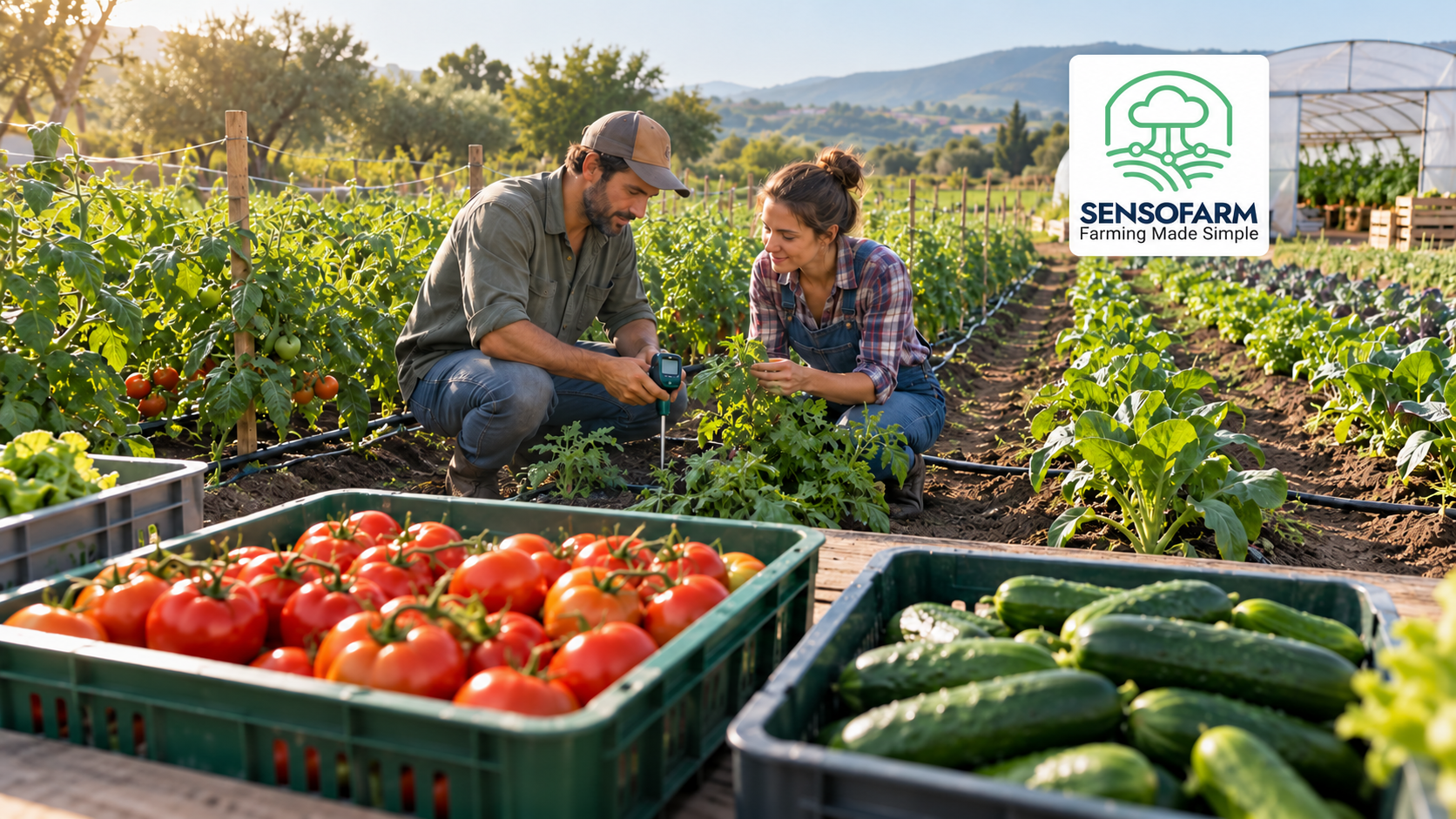
FAO highlights weaknesses in harvesting, storage, cooling, packaging and transport as important causes of food loss. Suitable storage and cooling technologies, careful handling and better coordination between growers and buyers can help address these gaps.
The best investment may be a reliable cooling system, appropriate storage equipment or a more dependable collection schedule. Digital records can support this work by helping a grower track harvest dates and available quantities. The goal is practical: preserve more of the food already produced, together with the water, land and labour used to grow it.
Make agritech useful for small farms too
The value of agricultural technology depends on who can use it. An expensive system that requires strong connectivity, specialist maintenance and constant power may be unsuitable for a small farm.
Affordable tools, clear instructions, local-language support and access to training matter. Shared equipment and cooperative services can also make some technologies easier to access. FAO’s Smart Farming approach places affordable technology and local technical support alongside good growing practices.
A sensible starting point is one recurring problem: uneven watering, missed crop checks or food lost during storage. Try a suitable tool on a manageable scale, record the costs and results, and expand when it proves useful. A phone-based guide can be a starting point; some farms will need additional equipment or specialist support.
How SensoFarm helps growers use agritech
SensoFarm focuses on everyday crop decisions. The app provides AI-generated daily guidance using information such as location, soil and crop type, along with crop-management support and soil and weather insights. Its Google Play listing also describes guidance for recognising pests, diseases and crop stress.
For a grower, the practical value is having help deciding what to check and what needs attention today. Use those suggestions together with observations in the garden, greenhouse or field, and qualified advice when a problem needs closer investigation.
You can explore SensoFarm on the web or read our guide to starting your first crop with SensoFarm.
Agriculture needs continued investment in technology that solves real problems and is accessible to the people growing our food. Better decisions, fewer avoidable losses and more careful resource use can help make harvests more dependable. Combined with action on poverty, infrastructure and access, that progress can contribute to stronger food security worldwide.
#Agritech #FoodSecurity #SustainableAgriculture #SmartFarming #AgriculturalInnovation #SmallholderFarmers #FoodLoss #SensoFarm